There’s more to the market. Start digging.
Under-the-radar companies, insight to emerging industries and the stories small-cap investors actually care about. No recycled mega-cap takes. Just the good dirt.
Worth Digging Into
Explore The Dirt →Pick Your Topic
Fresh Dirt
All Stories →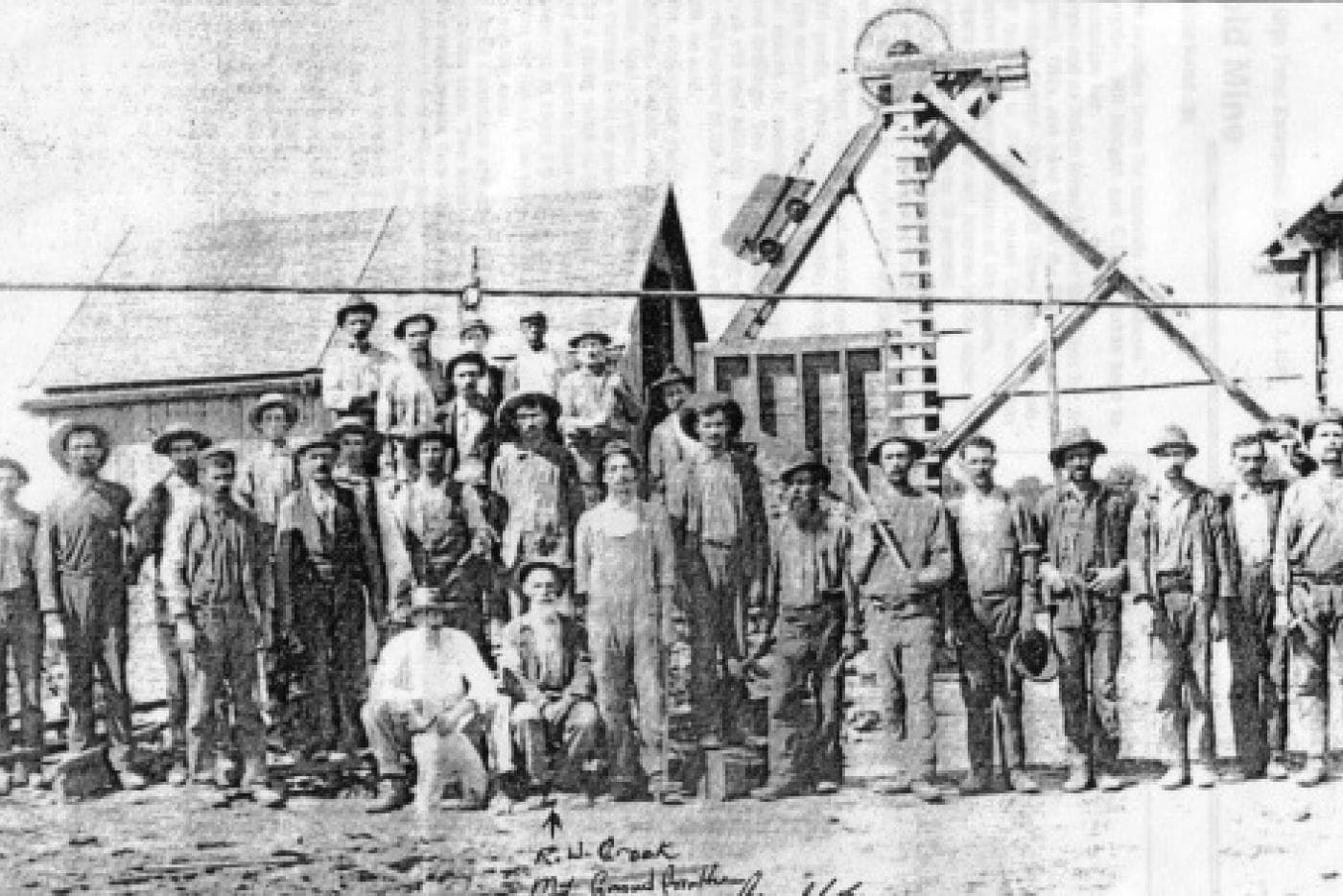 Mining · Oct 28, 2026Sponsored
Before Nevada’s Silver Rush, There Was Silver Hill
The fascinating history of America's first silver mine, the challenges that brought early operations to a halt, and why modern exploration is taking another look.
 Mining · Oct 28, 2026
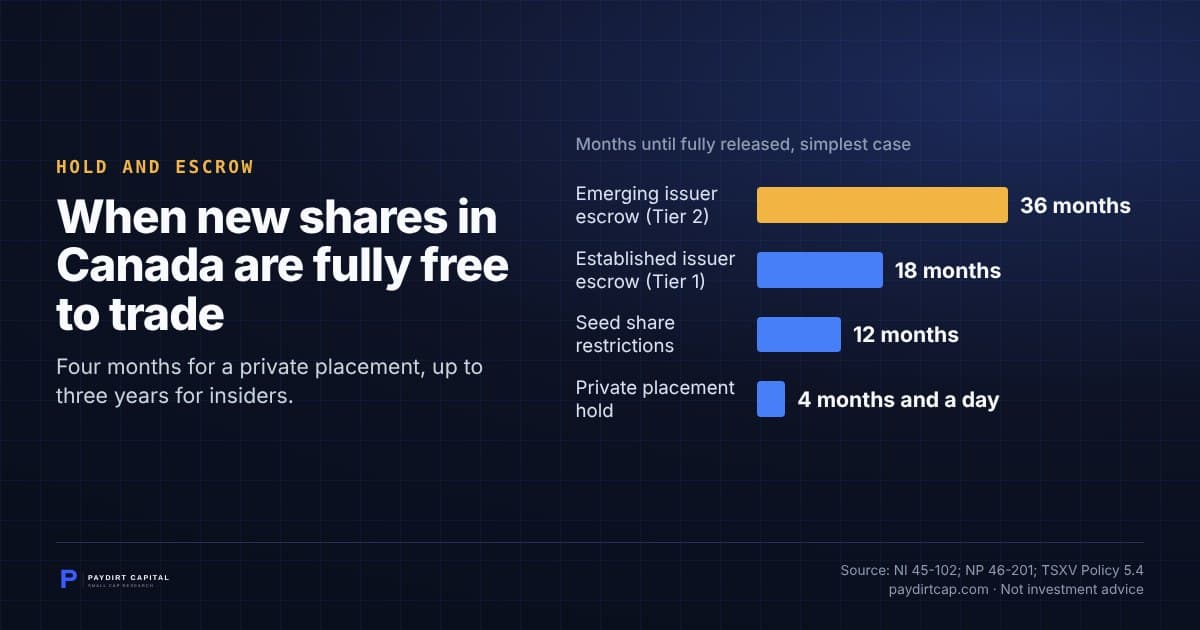
Escrow and Hold Periods on New Shares in Canada Explained
The four-month hold under NI 45-102, the TSX Venture hold, NP 46-201 escrow schedules and TSXV Policy 5.4: when newly issued shares in Canada can trade.
 Commodities · Oct 26, 2026
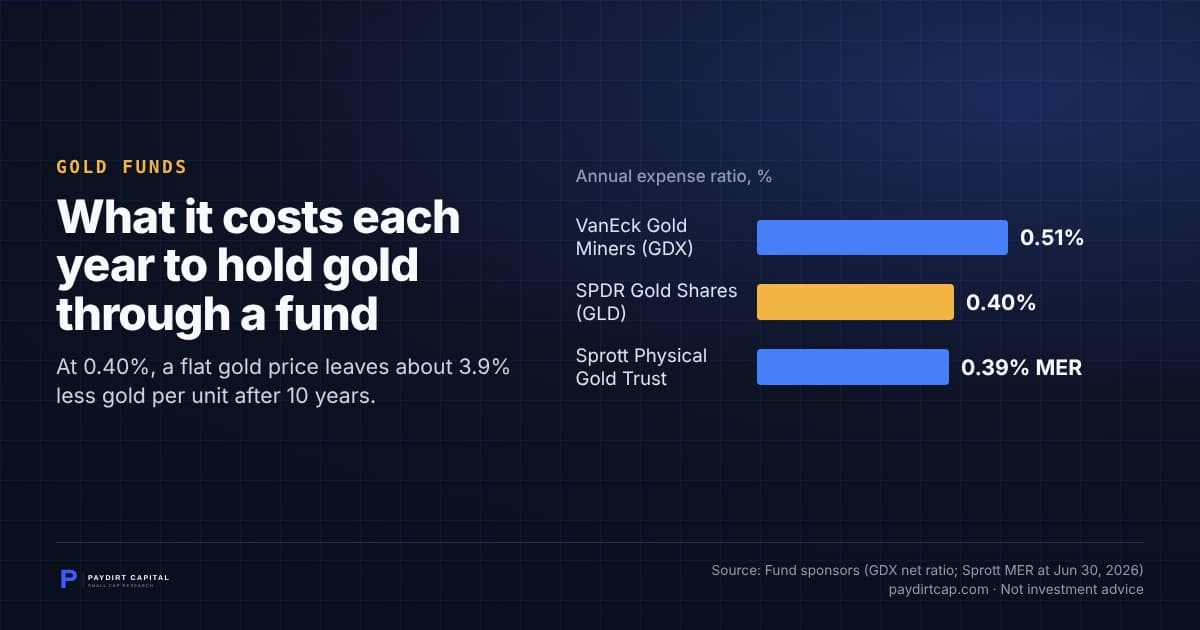
Gold ETFs vs Physical Gold vs Gold Mining Stocks: How Each One Works
Bars and coins, bullion funds and mining shares all track gold differently. Here is what you own in each, what it costs, and where the risks sit.
 Commodities · Oct 23, 2026
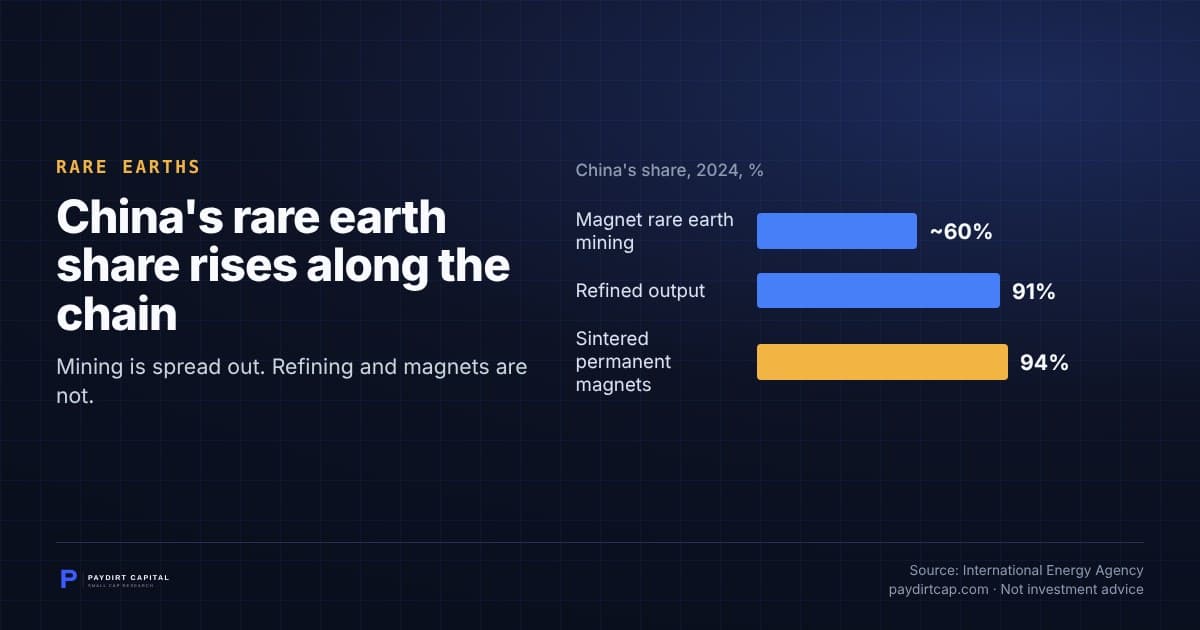
Rare Earth Elements Explained: Where They Come From and Why AI Needs Them
What rare earths are, where they are mined and refined, how China's export controls work, and where AI hardware fits into demand.
 Mining · Oct 21, 2026
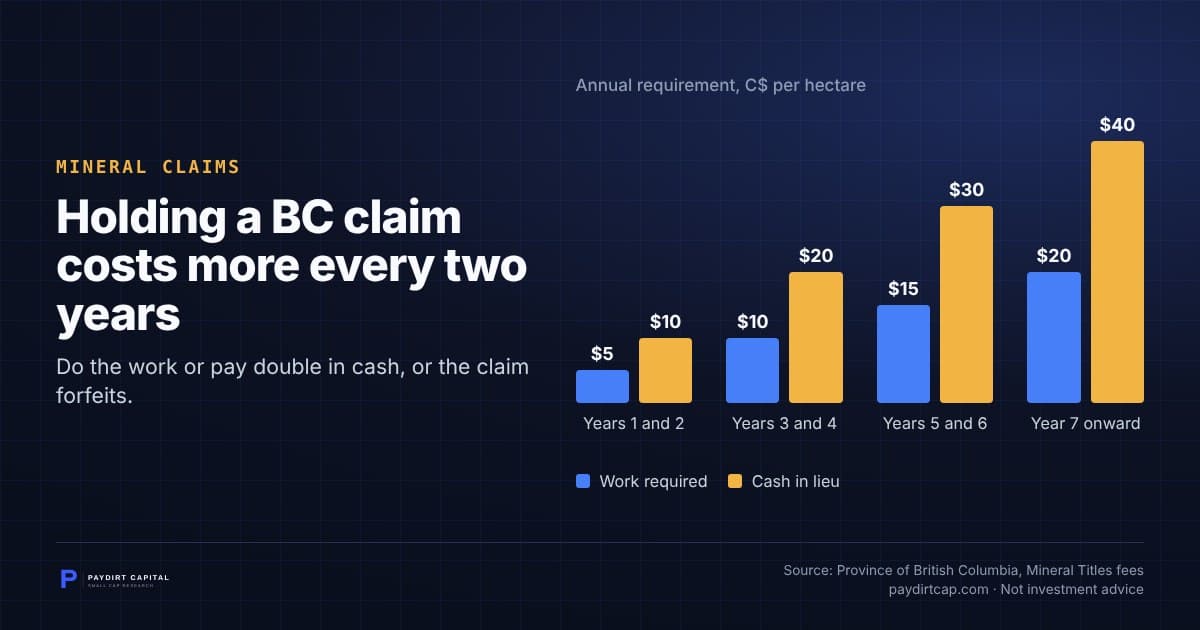
How Mineral Claims Work in Canada: Staking in BC, Ontario and Quebec
How mineral claims are registered and kept in BC, Ontario and Quebec: online cells, annual work requirements, fees, and BC's new First Nations consultation step.
 Macro · Oct 19, 2026
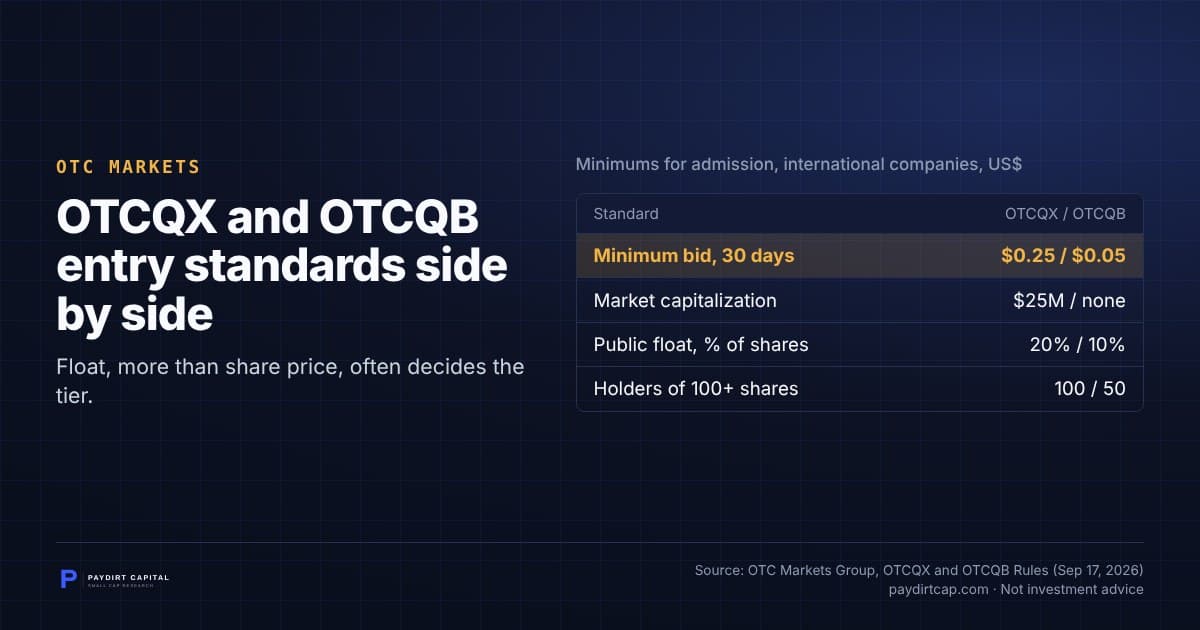
How OTC Markets Work for Canadian Companies: OTCQX, OTCQB and Pink
Why Canadian listed companies trade in the U.S. on OTC Markets, how the OTCQX, OTCQB, OTCID and Pink tiers differ, and the SEC exemption behind it.
Dig a Little Deeper.
More Explainers →Understand the filings, fundamentals and industry quirks before you put money on the line.
Explainer · MiningEscrow and Hold Periods on New Shares in Canada Explained
Explainer · CommoditiesRare Earth Elements Explained: Where They Come From and Why AI Needs Them
Explainer · MiningHow Mineral Claims Work in Canada: Staking in BC, Ontario and Quebec
Explainer · MacroHow OTC Markets Work for Canadian Companies: OTCQX, OTCQB and Pink
The Weekly Dig. No noise.
The stories we think you’ll find interesting, plus new articles and market developments worth a closer look. Straight to your inbox.
Free to subscribe. Unsubscribe anytime. Sponsored content is disclosed.
Paydirt Capital is published by Apollo Shareholder Relations for informational purposes only and is not investment advice. Apollo provides paid investor relations services and may be compensated in cash or securities by companies in the sectors discussed. Read the full disclosures.